The Right Way to Choose a Breed
Before looking at any specific breed, establish your constraints honestly — not aspirationally.
The five questions that matter most:
- How much exercise can you genuinely commit to daily? Not on your best day — on a Tuesday in February when you're tired and it's raining. The Dog Exercise Calculator turns a breed's energy level into an actual daily time estimate, which is a more honest starting point than guessing.
- How much space do you have? Match energy level to space, not just size to space. If you're not sure how a breed's expected adult size actually translates into real-world space needs, the Dog Size Calculator breaks the toy-to-giant scale down into expected adult weight ranges you can compare against your living situation.
- What is your experience level with dogs? Some breeds require an experienced handler to be manageable.
- Do you have children or other pets? Breed-level temperament generalisations matter here.
- What are your grooming and shedding tolerances? Some breeds require professional grooming every 6–8 weeks — the Dog Grooming Cost & Frequency Calculator estimates what that actually costs by coat type before you commit to a high-maintenance breed.
Once you've answered these honestly, run the specific breeds you're considering through our Compatibility Checker to see how well they actually score against your household setup.
Breeds by Activity Level
Very High Activity — For Committed, Active Owners
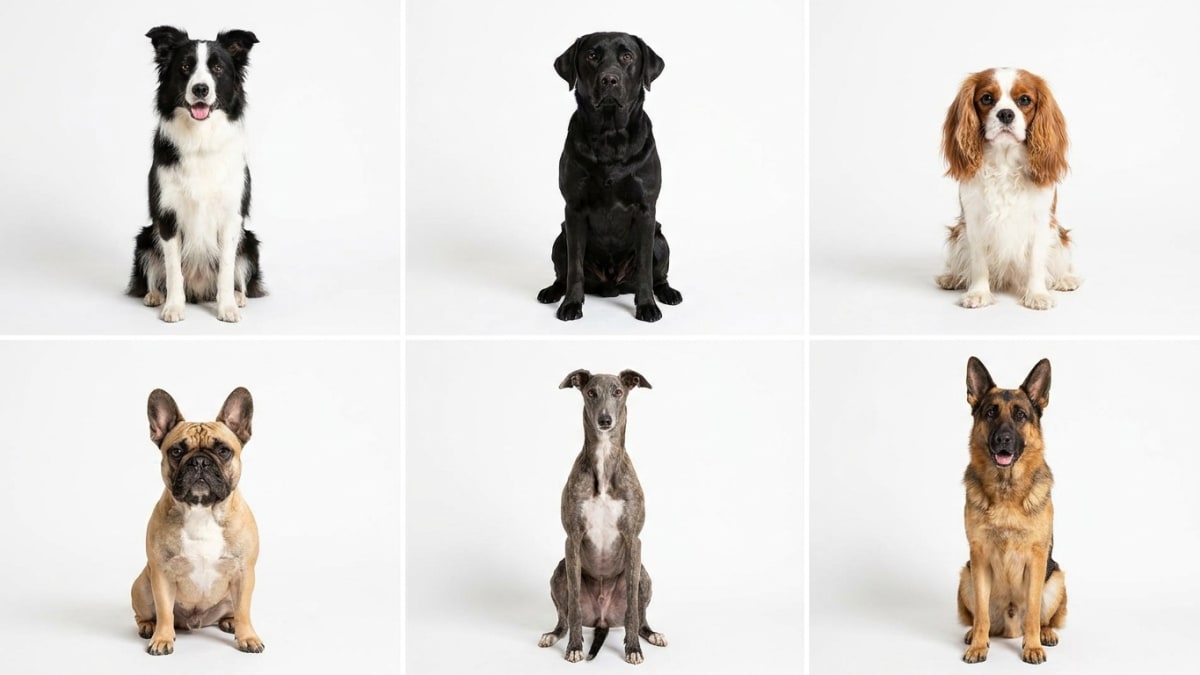
Border Collie: The most intelligent dog breed. Needs 2+ hours of vigorous exercise daily plus significant mental enrichment. Bored Border Collies become destructive and neurotic. Not for first-time owners.
Australian Shepherd: High drive, highly trainable. Needs 90 minutes to 2 hours daily. Prone to herding children if not trained. Best for active families and experienced owners.
Siberian Husky: Built for endurance. Escape-prone — secure fencing essential. Heavy double-coat shedder. Not for first-time owners.
Vizsla: Gentle but high-energy. Needs 1.5–2 hours daily. Does not cope well with being left alone for long periods.
Belgian Malinois: Military and police working dog. Extremely high drive. In the wrong hands becomes aggressive or severely destructive. Not for inexperienced owners under any circumstances.
Moderate-High Activity — Active but Manageable
Labrador Retriever: Most popular dog in the US and UK for decades. Friendly, trainable, gentle with children. Needs 60–90 minutes daily. Prone to obesity — see Labrador Retriever Feeding Guide. Best for families, first-time owners, most living situations.
Golden Retriever: Similar energy to Labrador. Exceptional with children. High cancer rate (60–65% lifetime) — insurance strongly recommended. Needs 60–90 minutes daily. See Golden Retriever Daily Food Calculator.
German Shepherd: Highly trainable, loyal, protective. Needs 60–90 minutes daily. Hip dysplasia is a significant hereditary concern. Best for experienced owners. See German Shepherd Feeding Guide.
Standard Poodle: Extremely intelligent, low-shedding. Needs 60–90 minutes daily. Professional grooming every 6–8 weeks. Best for allergy sufferers.
Boxer: Playful, loyal, excellent with children. Needs 60–90 minutes daily. Brachycephalic — moderate heat sensitivity. Prone to cardiac conditions.
Moderate Activity — Good for Most Owners
Beagle: Friendly, great with children. Scent-driven — selective hearing. Needs 45–60 minutes daily. Prone to weight gain — use our Dog Food Calculator.
Cavalier King Charles Spaniel: One of the gentlest, most adaptable breeds. 30–45 minutes daily sufficient. Mitral valve disease nearly universal by age 10 — insurance strongly recommended. Best for first-time owners, apartment dwellers, elderly owners.
Corgi: Smart, trainable, loyal. Needs 45–60 minutes daily. Heavy shedder. Avoid stairs and jumping to reduce IVDD risk.
Shih Tzu: Low exercise needs — 20–30 minutes daily. Brachycephalic. Requires regular professional grooming. Best for apartments and elderly owners.
Low Activity — For Relaxed Owners or Smaller Spaces
Basset Hound: Calm, gentle, low energy. 30–45 minutes daily. Stubborn and scent-driven. Heavy drooler.
Greyhound: Calm and low-energy indoors — the "40-mph couch potato." Two 20–30 minute walks and a brief sprint per day. Best for apartment dwellers.
English Bulldog: Very low exercise needs — 20–30 minutes in cool conditions. Brachycephalic. High vet costs. Best for relaxed households comfortable with ongoing health expenses.
Breed Comparison Table
| Breed | Activity Level | Best For | Shedding | Grooming | Health Cost | Experience Level |
|---|
| Border Collie | Very High | Active owners, rural | Moderate | Low | Low | Experienced |
| Australian Shepherd | Very High | Active families | Moderate | Medium | Low | Experienced |
| Siberian Husky | Very High | Outdoor/cold climates | Very Heavy | Medium | Low-Med | Experienced |
| Vizsla | Very High | Active, flexible schedules | Low | Low | Low | Experienced |
| Belgian Malinois | Very High | Working dog handlers only | Moderate | Low | Low | Expert Only |
| Labrador Retriever | Moderate-High | Families, first-timers | Heavy | Low | Medium | Any |
| Golden Retriever | Moderate-High | Families with children | Heavy | Medium | High | Any |
| German Shepherd | Moderate-High | Experienced families | Heavy | Low | High | Experienced |
| Standard Poodle | Moderate-High | Allergy sufferers | Minimal | High | Medium | Any |
| Boxer | Moderate-High | Active families | Low | Low | High | Any |
| Beagle | Moderate | Families, suburbs | Moderate | Low | Medium | Any |
| Cavalier KCS | Moderate | First-timers, elderly | Moderate | Medium | Very High | Any |
| Corgi | Moderate | Active families | Heavy | Low | Medium | Any |
| Shih Tzu | Low-Moderate | Apartments, elderly | Minimal | High | Medium | Any |
| Greyhound | Low | Apartments, calm owners | Minimal | Low | Low | Any |
| English Bulldog | Low | Relaxed households | Low | Medium | Very High | Any |
| French Bulldog | Low | Apartments | Low | Low | Very High | Any |
| Basset Hound | Low | Relaxed families | Moderate | Low | Medium | Any |
| Chihuahua | Low-Moderate | Apartments, singles | Low | Low | Low | Any |
| Miniature Poodle | Moderate | Allergy, apartments | Minimal | High | Low | Any |
| Chow Chow | Low | Quiet households | Heavy | High | Medium | Experienced |
| Akita | Moderate | Single-pet households | Heavy | Medium | Medium | Expert Only |
| Rottweiler | Moderate-High | Experienced families | Moderate | Low | High | Experienced |
| Dalmatian | High | Active outdoor owners | Moderate | Low | Medium | Experienced |
| Great Dane | Moderate | Houses with space | Low | Low | Very High | Any |
Breeds by Living Situation
Best for apartments: Cavalier King Charles Spaniel, French Bulldog (factor in vet costs), Greyhound, Shih Tzu, Pug, Maltese, Miniature Poodle, Basset Hound
Best for houses with gardens: Labrador Retriever, Golden Retriever, Australian Shepherd, Border Collie, Boxer, Beagle, German Shepherd, Corgi
Best for rural / large property: Border Collie, Australian Shepherd, Siberian Husky, Malamute, German Shorthaired Pointer, Weimaraner, Great Pyrenees
Breeds by Family Type
Best for families with young children: Labrador Retriever, Golden Retriever, Cavalier King Charles Spaniel, Boxer, Beagle, Poodle (all sizes), Bichon Frise
Best for first-time owners: Labrador Retriever, Golden Retriever, Cavalier King Charles Spaniel, Poodle (all sizes), Shih Tzu, Bichon Frise
Best for experienced owners only: Belgian Malinois, Chow Chow, Akita, Cane Corso, Rottweiler, Siberian Husky, Dalmatian
Best for allergy sufferers: Poodle (all sizes), Portuguese Water Dog, Bichon Frise, Maltese, Schnauzer (all sizes), Basenji
Health Costs by Breed
Highest lifetime vet costs: French Bulldog, English Bulldog, Great Dane, Saint Bernard, Cavalier King Charles Spaniel, Golden Retriever, German Shepherd
Moderate lifetime vet costs: Labrador Retriever, Boxer, Beagle, Cocker Spaniel, Shih Tzu
Lower lifetime vet costs: Mixed breeds, Miniature Poodle, Chihuahua, Basenji, Greyhound
Use our Pet Insurance Calculator to see whether insurance makes financial sense for your chosen breed. Use our Vet Cost Estimator to budget annual vet costs.
Mixed Breeds: The Underrated Option
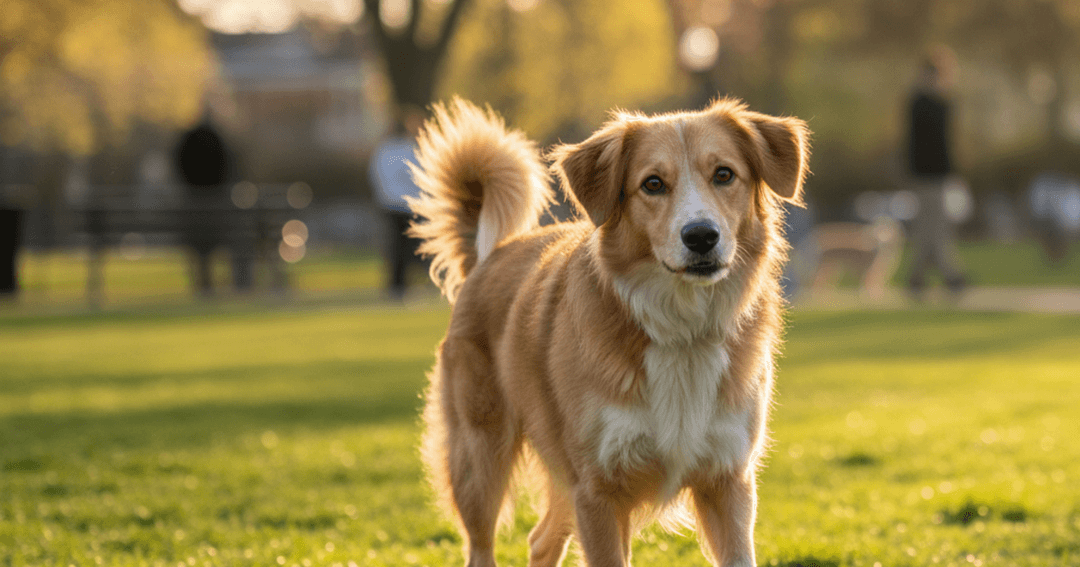
Mixed breed dogs typically have lower rates of hereditary conditions (hybrid vigour), lower lifetime vet costs, and are available in every shelter. Breed also plays into expected lifespan, and our Breed Lifespan Calculator lays out typical ranges across breeds side by side if that factors into your decision. DNA testing (Embark, Wisdom Panel) can now identify breed composition with reasonable accuracy.
If you already have a mixed-breed dog and want a clearer picture of what that DNA result actually means, our Dog Breed Percentage Calculator turns raw ancestry results into expected size, temperament, and health tendencies. And if you're starting from scratch without a DNA test at all, our Dog Breed Identifier Quiz uses your dog's visible traits and behavior to narrow down the likely mix first — useful if this whole guide has you thinking less about which breed to get and more about which breeds you're already living with.
Recommended Tools
- Dog Breed Selector — Filter by activity level, living situation, family type, shedding, and experience level.
- Dog Food Calculator — Different breeds have very different caloric needs.
- Dog Walking Calculator — Match daily exercise commitment to your chosen breed before you decide.
- Pet Insurance Calculator — Run the insurance break-even for your chosen breed.
- Vet Cost Estimator — Estimate annual vet costs by breed and size.
- Adoption Cost Calculator — Full first-year budget for your chosen breed.
- Pet Age Calculator — Understand life stage progression for your chosen breed's size category.
- Raw Dog Food Calculator — Calculate raw feeding portions before your puppy arrives.
Find Your Breed Match
→ Use the Dog Breed Selector to filter breeds by the variables that actually predict a successful match: activity level, living space, family type, shedding tolerance, experience level, and expected health costs.
Once you've found your match, picking the right name is the easy part — our Pet Name Generator has hundreds of options filtered by style and species to help you land on the perfect one before your new dog comes home.