Use these tools when you know roughly what and how much your pet ate. Each calculator compares the exposure with published veterinary thresholds and tells you how urgently to call a vet or poison line. The Food Safety Checker answers yes/no for common foods; these calculators answer how serious a measured amount may be.
Pet toxicity usually starts with a question about one food or product, but the right action depends on the species, the amount and the time since it was eaten. This hub sorts the calculators by situation so you can reach the right one quickly. Each linked calculator explains its own thresholds and timelines, and it tells you when to call a vet or poison line.
If your pet has eaten something and you are worried right now, do not start with a calculator. Call the ASPCA Animal Poison Control Center at (888) 426-4435 or Pet Poison Helpline at (855) 764-7661. Fees may apply. Then use the calculator to understand the situation and to give the vet the information they will ask for.
Why this human medicine is dangerous for dogs and toxic to cats
The table is a guide, not a diagnosis. If two situations apply, for example a trail mix that contains both raisins and chocolate, use both calculators and call a vet.
How the calculators work
Every toxicity calculator uses the same basic approach. It asks for your pet's weight, the amount eaten and the time since ingestion. It then compares the amount with a published threshold, usually expressed as a dose per kilogram of body weight. The result is a band, such as "call your vet now", "urgent" or "emergency", with a short explanation of what that means.
The thresholds come from sources such as the Merck Veterinary Manual, the ASPCA and Pet Poison Helpline. Each calculator names its source on the page. The thresholds are risk levels, not safe limits. A dose under a threshold can still cause problems, because individual dogs and cats vary, and product strength is often unknown.
Because the result depends on the amount you enter, estimate on the high side when you are unsure. That is the conservative choice, and it is the one the vet will want you to make.
Why cats need separate tools
Cats are more sensitive to several toxins than dogs. Some foods that are a moderate concern for a dog can be dangerous for a cat in a small amount. For that reason, the calculators for cats use different bands, and a dog calculator should never be used to judge a cat's exposure. The hub links cat-specific tools wherever they exist, and it flags when a toxin is more dangerous for cats than dogs.
What to do before you use a calculator
Remove any remaining food or product from your pet's reach.
Note the time the ingestion happened, if you know it.
Weigh your pet, or use the weight from the most recent vet visit.
Keep the packaging, or take a photo of the ingredient list.
Call a vet or poison line if you are in doubt, even before finishing the calculator.
Common mistakes owners make
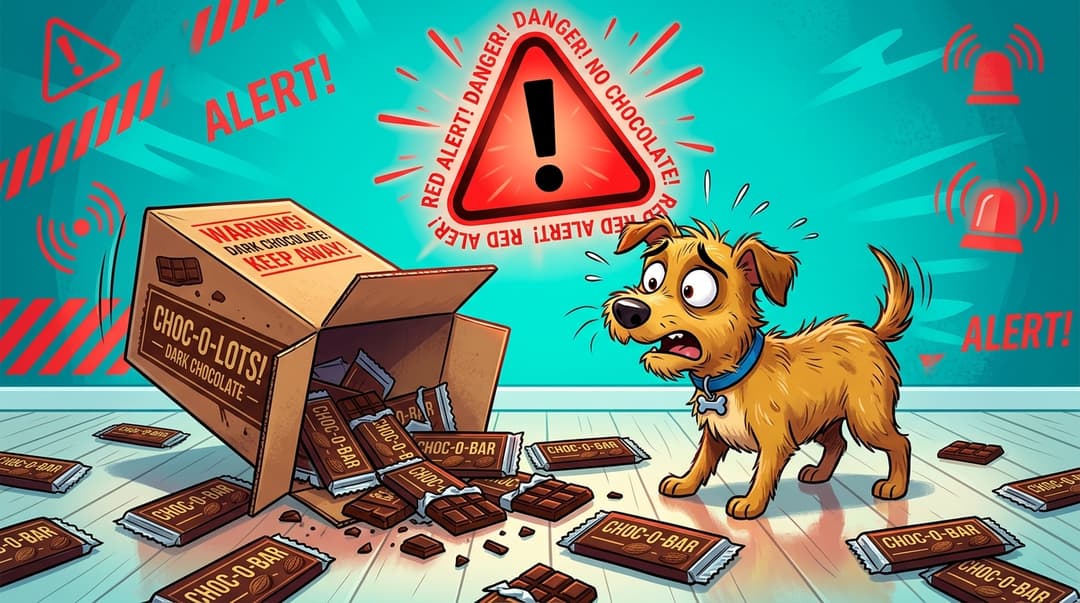
Waiting for symptoms. Many toxins cause problems before any sign appears, and some, such as onion and grapes, can cause damage that shows up days later.
Using a human dose. Human medicines, including acetaminophen and ibuprofen, can be toxic to pets even in small amounts.
Assuming a small amount is safe. The thresholds are warning levels, and the calculators show how close you are to them.
Inducing vomiting at home. Some substances are harmful to bring back up, and the timing matters. Only do this if a vet or poison line tells you to.
Relying on activated charcoal. It does not bind every toxin, and it is not the right first step for xylitol.
Keeping pets safe at home
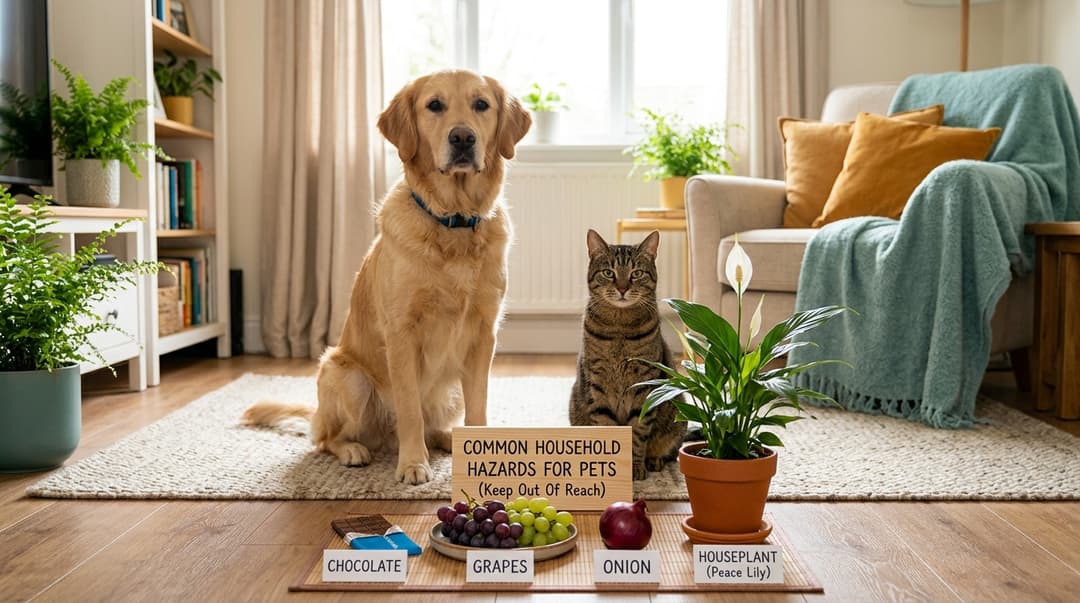
Most toxic exposures happen in the kitchen, the bag by the door, or the handbag on the floor. Keep chocolate, grapes, raisins, onions, garlic, gum, mints and medicines in closed cupboards. Check ingredient lists before sharing food, and tell visitors not to feed your pet from their plates. Remember that cooked and powdered forms carry the same risks as raw.
Toxicity and the Food Safety Checker
The toxicity calculators focus on dose and urgency: how much was eaten, and what to do. The Food Safety Checker answers the earlier question of whether a food is suitable at all. Use the checker when you are planning to feed something, and use a calculator when something has already been eaten.
No. The calculators are educational tools. They compare the amount your pet ate with published thresholds and tell you what to do next. Only a vet can diagnose a toxicity or decide on treatment, and the calculators do not replace that.
How we calculate
The math, openly documented.
01
Weight & exposure
Pet weight and amount/product determine dose.
weight_kg · amount
02
Dose estimate
Compare with published veterinary thresholds.
dose = amount ÷ kg
03
Risk band
Map to call-vet / urgent / emergency actions.
band = tier(dose)
04
Action
Call vet or poison control — do not wait for symptoms.